
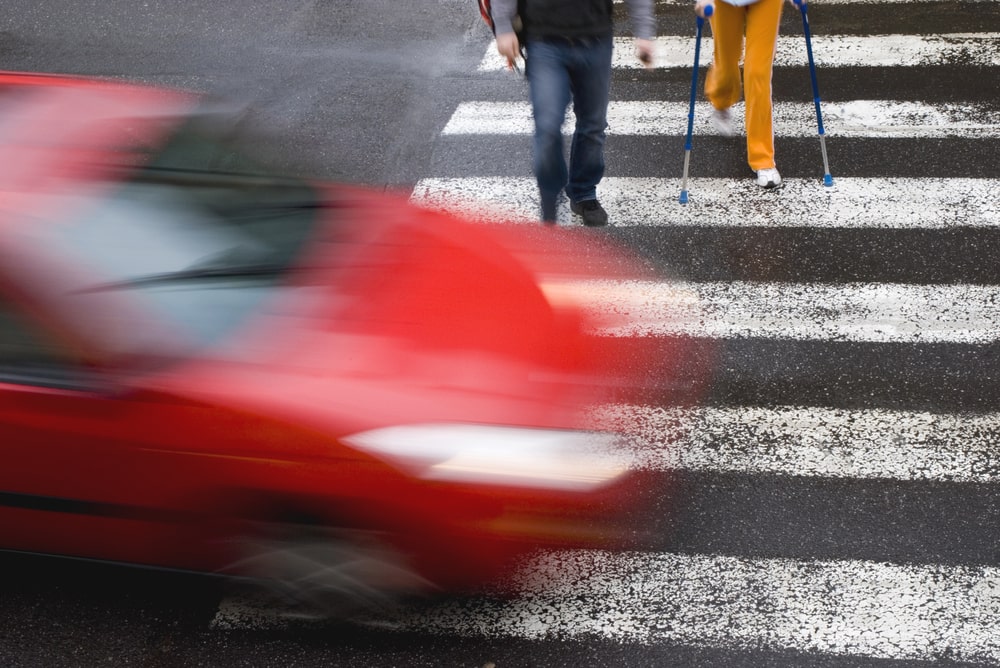
In the immediate aftermath of an accident, people naturally focus on safety, medical care, and exchanging information. While those steps are critical, another equally important factor can significantly affect what happens next: preserving evidence. Our friends at Ganderton Law, Personal Injury Law Firm discuss how evidence forms the foundation of any personal injury claim, and the strength—or weakness—of a case often depends on what is documented and protected in the early hours and days following the incident. Working with a pedestrian accident lawyer can help ensure that important evidence is properly preserved and that the necessary steps are taken to strengthen your case and pursue the best possible outcome.
Because accident scenes change quickly, acting promptly can make the difference between clear proof and unanswered questions.
Why Evidence Matters So Much
Personal injury claims rely on proving three essential elements:
● That an accident occurred
● That someone’s negligence caused it
● That measurable damages resulted
Evidence connects these elements. Without it, disputes about fault, severity of injuries, or liability can become difficult to resolve.
Insurance companies and investigators depend heavily on documentation. The more objective and consistent the evidence, the clearer the claim evaluation becomes.
Photographs and Video: Capturing the Scene Immediately
One of the most powerful forms of evidence is visual documentation. Photos and video preserve the accident scene before it changes. Important items to capture include:
● Vehicle damage from multiple angles
● The positions of vehicles before they are moved
● Skid marks or debris
● Traffic signals or road signs
● Weather and lighting conditions
● Hazardous conditions, such as spills or uneven surfaces
Conditions may be altered within minutes. Vehicles are towed, debris is cleared, and hazards are repaired. Photographs freeze those details in time.
Physical Evidence Should Not Be Discarded
Items damaged during an accident may later become important pieces of proof. Examples include:
● Torn or blood-stained clothing
● Damaged helmets
● Broken eyeglasses
● Personal property
● Vehicle parts that detached during impact
Preserving these items in their post-accident condition can help demonstrate force, impact location, and injury severity.
Witness Information Can Be Crucial
Witnesses often leave quickly once the immediate situation is resolved. Gathering contact information from anyone who saw the accident can significantly strengthen a claim.
Witnesses may confirm:
● Who had the right of way
● Whether a hazard was present
● Speed or erratic driving
● The sequence of events
Because memory fades over time, obtaining contact details early ensures their testimony remains accessible.
Medical Records Begin the Documentation Process
Medical evidence is just as important as accident-scene evidence. Seeking prompt medical care accomplishes two things:
● It protects health and identifies injuries
● It creates a documented timeline linking injuries to the accident
Delays in treatment may allow insurers to question whether the injury was caused by the incident. Medical records serve as objective documentation of symptoms, diagnoses, and treatment.
Incident Reports Provide Official Documentation
In certain situations—such as car accidents or incidents in commercial properties—official reports may be created. Police reports, workplace incident reports, or business accident reports document the occurrence and often include initial statements and observations.
Requesting a copy of any official report ensures accuracy and preserves the initial narrative.
Surveillance Footage May Be Temporary
In some cases, nearby cameras may have recorded the event. However, many surveillance systems automatically overwrite footage within days or weeks. Acting quickly to request preservation of video evidence can prevent it from being lost permanently.
Surveillance footage can show how long a hazard existed or how an accident unfolded, providing objective clarity.
Personal Notes and Documentation Matter
Writing down your recollection of the accident while it is still fresh can be helpful. Include details such as:
● The sequence of events
● Road or environmental conditions
● Statements made at the scene
● Physical symptoms experienced
These notes can later refresh memory and maintain consistency.
Why Early Preservation Prevents Disputes
Over time, evidence fades. Skid marks disappear, weather changes conditions, and witnesses forget details. Without preserved evidence, disputes about fault or severity become more likely.
Prompt documentation minimizes uncertainty and reduces reliance on conflicting recollections.
Preserving evidence after an accident is not about anticipating conflict—it is about protecting clarity. Thorough documentation supports fair evaluation, accurate fault determination, and proper compensation when injuries occur.
Taking a few careful steps in the immediate aftermath can significantly influence how smoothly a personal injury claim proceeds. Evidence tells the story of what happened, and preserving it ensures that story remains intact.